When you’re shopping for a trailer, one of the first decisions you’ll face is whether to go with a single axle or tandem axle configuration. It’s a choice that affects your towing experience, your legal payload capacity, your fuel economy, and how much you’ll spend. This guide breaks down the real-world differences so you can buy right the first time.
What’s the Difference?
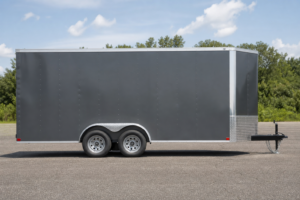
A single axle trailer has one axle (two wheels) under the trailer deck. A tandem axle trailer has two axles (four wheels) positioned close together under the frame. That extra axle changes the physics — and the price tag — in meaningful ways.
Single Axle Trailers: Who They’re For
Single axle trailers are lighter, more maneuverable, and less expensive. They’re the right choice if your needs are relatively modest — think hauling a zero-turn mower, a small ATV, or occasional loads of landscaping material. Here’s when a single axle makes sense:
- Lighter loads — Most single axle utility trailers are rated for 3,500 to 7,000 lbs GVWR. If your loads stay well under 5,000 lbs, a single axle likely handles it with room to spare.
- Tight spaces — Single axle trailers turn tighter and are easier to back into narrow gates or job sites.
- Smaller tow vehicle — A single axle 7×14 utility trailer can be towed by a half-ton truck or even a capable SUV.
- Budget-conscious buyers — You’ll typically save $800 to $2,000 upfront, and tires are cheaper to replace.
At Trailer Place, our utility trailers and dump trailers come in both single and tandem axle versions so you can match your configuration to your actual load needs.
Tandem Axle Trailers: Who They’re For
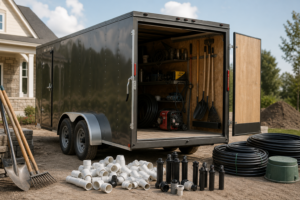
Tandem axle trailers carry more weight, ride more smoothly, and offer a major safety advantage: if one tire blows, the second axle keeps the trailer stable. That redundancy alone is worth the upgrade for serious haulers. Here’s when you need tandem axles:
- Heavy loads — Tandem axle trailers commonly range from 10,000 to 25,900 lbs GVWR. If you’re hauling equipment, skid steers, tractors, or multiple vehicles, you need this capacity.
- Long-haul and highway use — Two axles distribute the load more evenly, resulting in less sway and a smoother ride at highway speeds.
- Daily professional use — Contractors, ranchers, and construction crews who load and unload every day need the durability that tandem axles deliver.
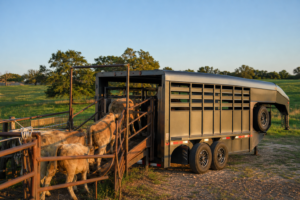
- Livestock and horse trailers — Animals shift their weight in transit. Tandem axles keep the trailer planted and reduce dangerous swaying.
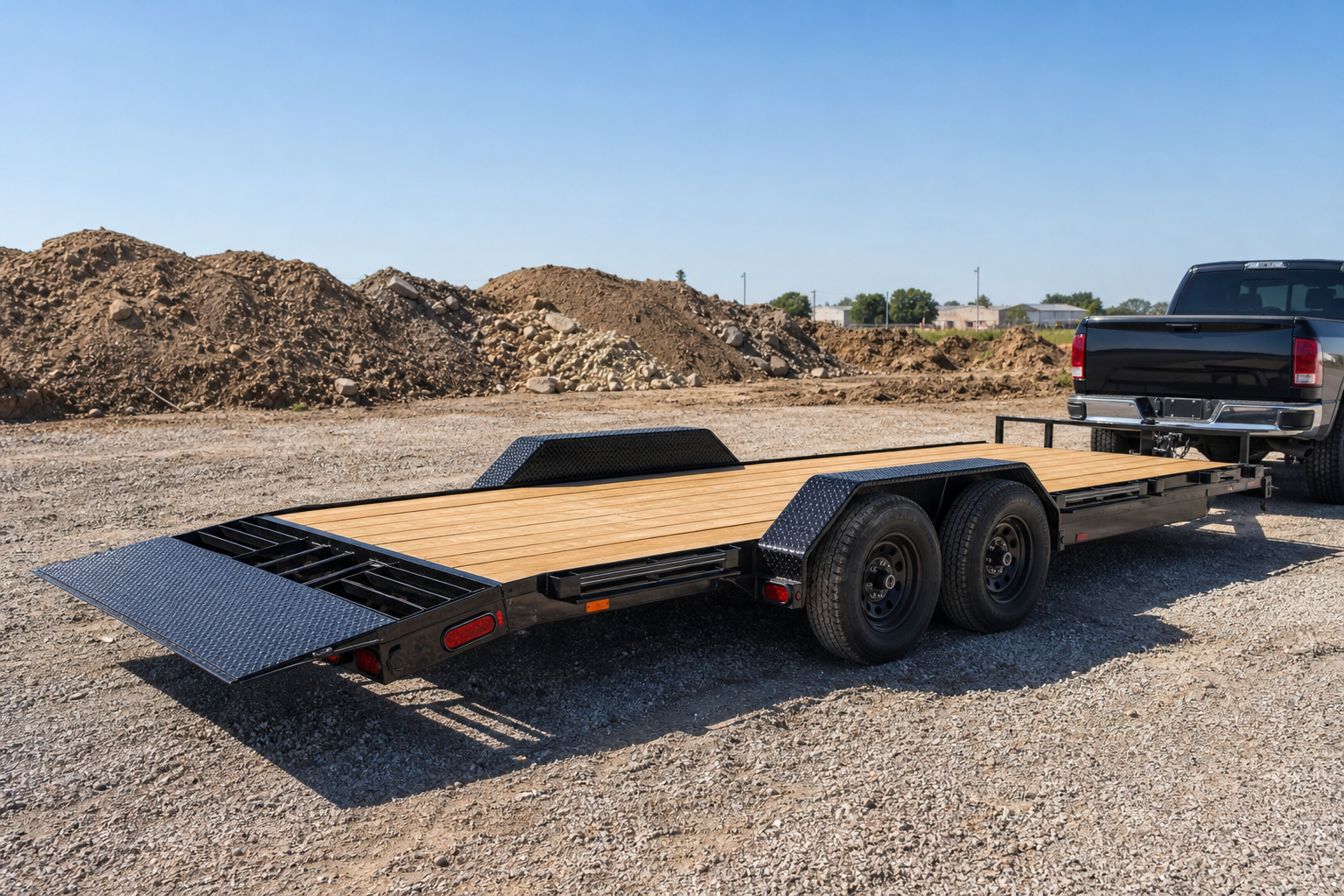
Our gooseneck trailers, equipment trailers, and flatbed trailers are nearly always tandem axle builds — because that’s what professionals demand.
Side-by-Side: Single vs Tandem Axle
| Feature | Single Axle | Tandem Axle |
|---|---|---|
| Typical GVWR Range | 3,500 – 7,000 lbs | 10,000 – 25,900+ lbs |
| Towing Ease | More maneuverable | Smoother at speed |
| Tire Blowout Safety | Higher risk | Built-in redundancy |
| Price | Lower | Higher (worth it) |
| Maintenance Cost | Lower (2 tires) | Higher (4 tires) |
| Best For | Light duty, occasional use | Heavy loads, daily hauling |
Axle Weight Ratings Explained
Each axle has its own weight rating — typically 3,500 lbs, 5,200 lbs, 6,000 lbs, 7,000 lbs, or 8,000 lbs per axle. A tandem trailer with two 7,000 lb axles gives you a 14,000 lb axle capacity. Combined with the trailer’s frame rating, this determines the GVWR stamped on the VIN plate.
Never load a trailer beyond its GVWR — Texas law enforces weight limits at highway scales, and overloaded trailers void warranties and create serious liability. Need help reading the specs? Our team at Trailer Place can walk you through any trailer’s weight ratings before you buy.
Texas Licensing and Registration
In Texas, trailer registration and any required CDL or license endorsement depends on your trailer’s GVWR and the combined weight of your rig — not just whether it’s single or tandem axle. That said, most tandem axle trailers cross the 26,001 lb combined threshold that triggers additional licensing requirements for commercial operators. If you’re not sure where you fall, ask us — we help buyers navigate this every day.
Popular Models at Trailer Place
We carry both configurations across our major brands:
- Diamond C — Offers single and tandem axle dump, flatbed, and utility trailers with exceptional steel quality and clean welds.
- Iron Bull — Known for heavy-duty tandem axle dump trailers up to 14,000 lb GVWR. A workhorse brand.
- Texas Pride — Texas-built trailers in both axle configurations, priced for working-class buyers.
- Aluma — Single and tandem axle aluminum utility and ATV trailers for buyers who want to minimize trailer weight.
Which Should You Buy?
Here’s the short answer: if you’re on the fence, go tandem. The extra capacity, stability, and tire blowout safety are worth the price premium for most working buyers. Single axle only makes sense when budget is tight and your loads are genuinely light and infrequent.
Still not sure? Call us at (979) 532-1486 or stop by our lot in Wharton, TX. We’ll ask about your loads, your truck, and your typical use and help you find the right trailer — not just the cheapest one. We also offer financing options so that tandem axle upgrade fits your budget. We ship nationwide and carry trailers in-stock ready to work.
Check out our full buying guides: gooseneck trailers for horse owners, flatbed trailers for contractors, and how to choose the right GVWR.